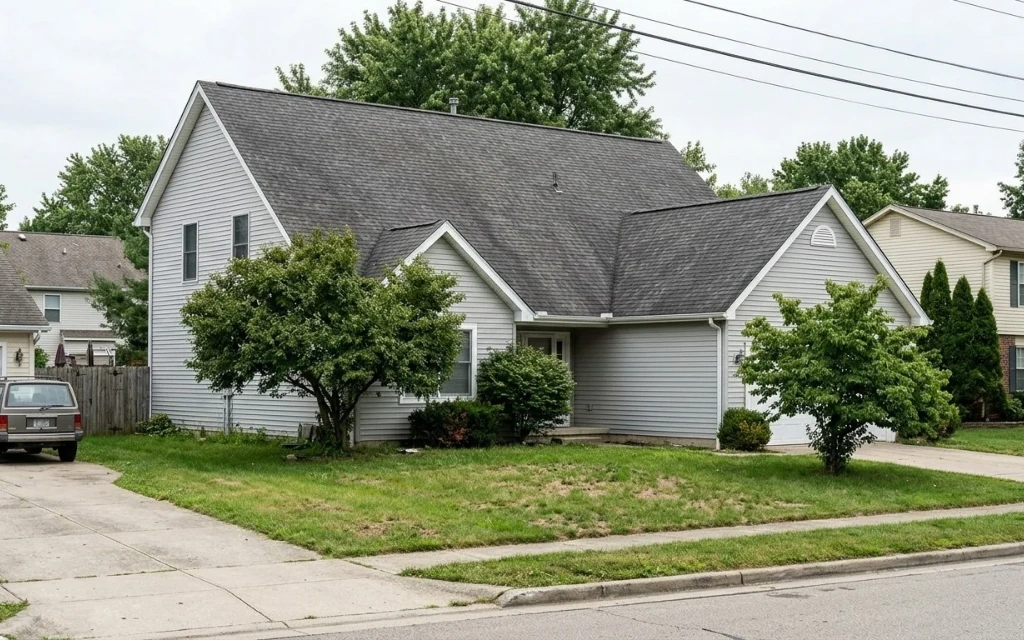
Most asphalt shingle roofs last 20 to 30 years. Metal roofs usually go 40 years or more. Slate and tile can outlive the house. Where your roof lands depends on the material, the install, attic ventilation, upkeep, and how many storms it takes.
Those numbers are averages. Two roofs put on the same year, same street, can age very differently. One gets a good install and a well vented attic. The other gets hit by hail in year eight. That’s why age alone never tells you when to replace.
| Roof type | Typical lifespan |
|---|---|
| Three-tab asphalt shingles | About 20 years |
| Architectural asphalt shingles | About 30 years |
| Metal roofing | About 40 to 80 years |
| What decides replacement? | Condition, widespread wear, repeated leaks, or soft roof decking. |
Lifespan figures come from InterNACHI’s estimated life expectancy chart.
How Long Does a Roof Last in Toledo, Ohio?
Toledo roofs wear out from repetition more than from one big storm. NOAA weather data for Toledo shows about 62 freeze-thaw cycles a year. Water gets into a small gap, freezes, and opens it a little wider each time. In winter, attic heat melts snow and it refreezes at the eaves as ice dams. Spring and summer bring wind and hail.
No reliable data puts a fixed number on how much shorter roofs last here than anywhere else. Published lifespans assume normal upkeep and no severe weather. A roof with good ventilation that never takes a direct storm hit can reach the top of its range. Climate swings things the other way too. Heat is hard on asphalt, so lifespan numbers you see for Florida or Texas won’t match Ohio’s.
How Long Do Different Roofing Materials Last?
We install asphalt shingles and metal roofing. The other materials are here so you can compare.
| Roofing material | Typical estimated lifespan | What affects it most | Worth knowing |
|---|---|---|---|
| Three-tab asphalt (we install) | About 20 years | Wind uplift, attic heat | Single-layer shingle. Thinner, so wear shows sooner. |
| Architectural asphalt (we install) | About 30 years | Ventilation, install quality, storms | The warranty length and the actual lifespan are two different things. |
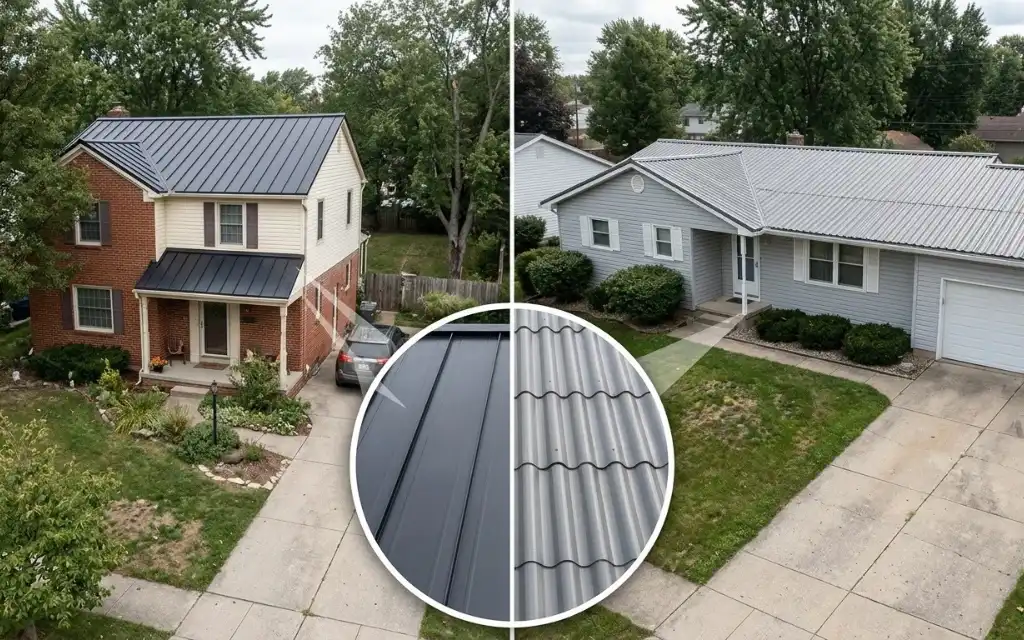
| Standing seam metal (we install) | 40 to 80 years | Seams, flashing, coating | Fasteners stay hidden under the raised seams. |
| Stone-coated steel (we install) | 40 to 80 years | Coating layers, flashing | DECRA gives single-family homes a lifetime limited warranty. |
| Exposed-fastener metal (“tin roof”) | Shorter than standing seam | Screws and washers in the weather | Fasteners need checking and replacing over time. |
| Slate | 60 to 150 years | Slate grade, nails, flashing | Very heavy. Hard slate lasts longer than soft slate. |
| Clay and concrete tile | 100+ years | Breakage, underlayment | Heavy. The roof framing has to carry it. |
| Cedar shakes | About 25 years | Moisture, shade, moss | Needs more upkeep than shingles or metal. |
| TPO (flat roofs) | 7 to 20 years | Seams, standing water | Thicker membranes hold up longer. |
| EPDM rubber (flat roofs) | 15 to 25 years | Seams, sun, ponding water | This is the usual “rubber roof.” |
| Composite or synthetic slate | 10 to 35 years | Product line, UV | Results vary a lot between brands. |
| Thatch | Roughly 15 to 40 years | Straw or reed, pitch, thatcher | Rare in the U.S. Ridges need redoing about every 10 to 15 years. |
A warranty tells you what the manufacturer will cover. It doesn’t tell you how long the roof will last. Owens Corning’s limited lifetime shingle warranty pays in full for the first 10 years on an owner-occupied home, then drops 2 percent a year. It covers material defects, not weather wear or a bad attic.
How Long Do Asphalt Shingle Roofs Last?
How Long Do Asphalt Shingle Roofs Last?
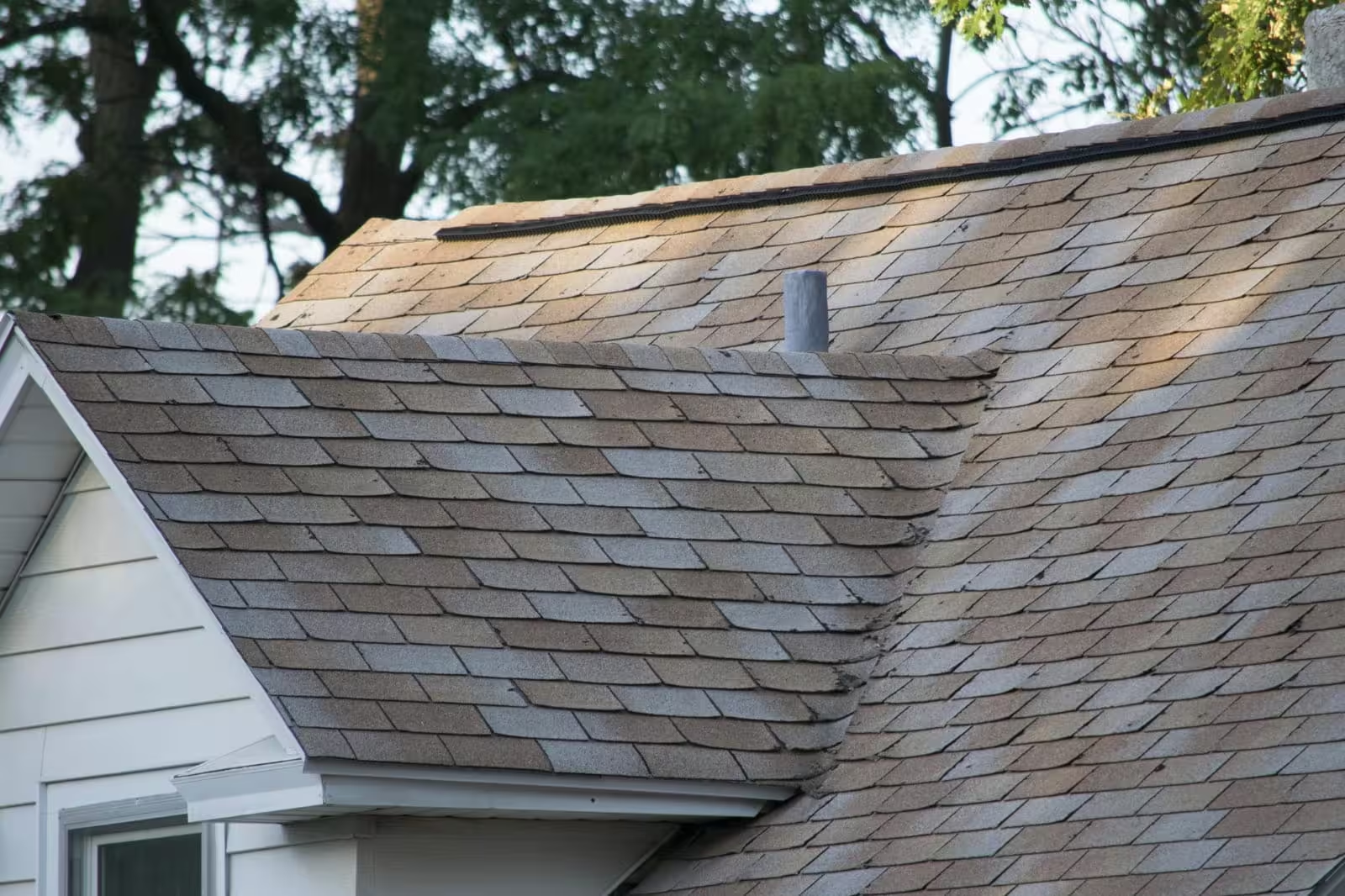
Three-tab shingles average about 20 years. Architectural shingles are laminated and thicker, so they average closer to 30. Most homes we inspect around Toledo have them, which is why asphalt shingle roofing is still the most common replacement we do.
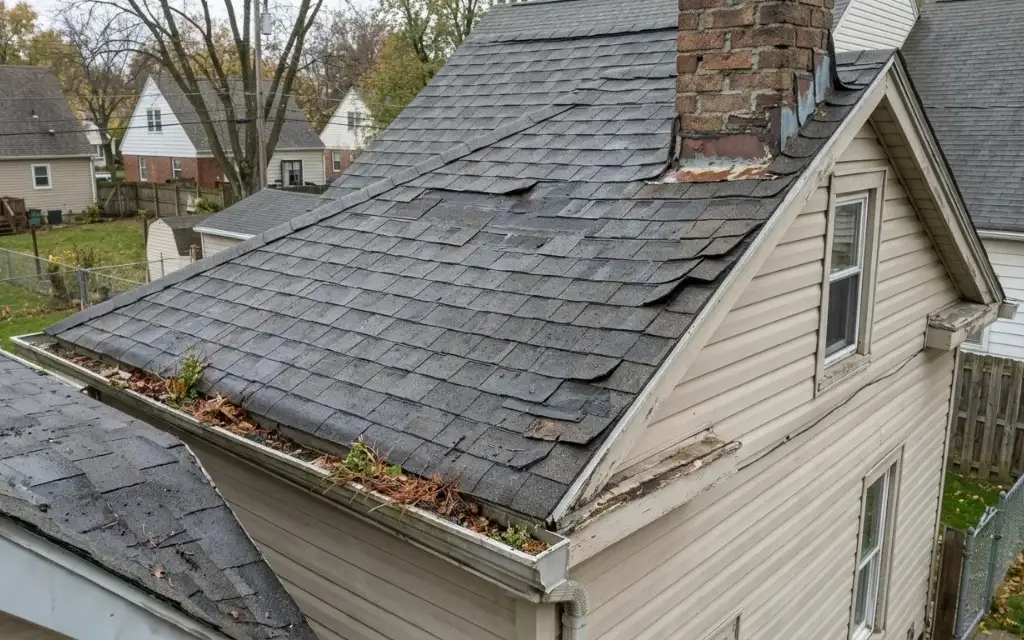
A lot of what kills shingles early happens underneath them. Poor attic ventilation traps heat and moisture and cooks the shingles from below. Worn flashing, no ice and water barrier at the eaves, bad nailing, and wind-creased tabs do the rest. A little grit in the gutters on a new roof is normal. Bare dark patches on an old one mean the shingles are worn out.
How Long Does a Metal Roof Last?
Metal roofs don’t all last the same. Standing seam has hidden fasteners and panels that can move as the temperature changes, so it holds up longest with the least upkeep. Stone-coated steel is a steel panel with a metal coating, primer, and a granule surface that looks like shingle or shake. DECRA’s warranty on it covers wind up to 120 mph and hail up to 2.5 inches. Exposed-fastener panels cost less but need the screws checked as they age.
Metal fails at the details, not in the flat panels. Chimneys, valleys, skylights, and wall transitions are where leaks start. We install standing seam and DECRA stone-coated steel for metal roofing in Toledo, and the trade-offs between profiles are covered in standing seam vs corrugated metal roofing.
How Often Should You Replace a Roof?
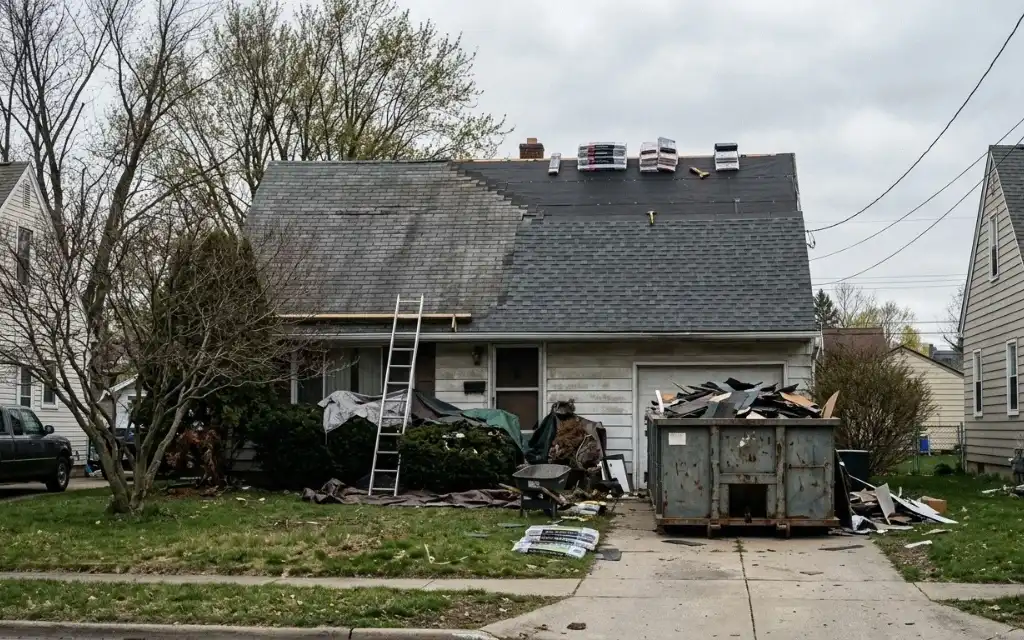
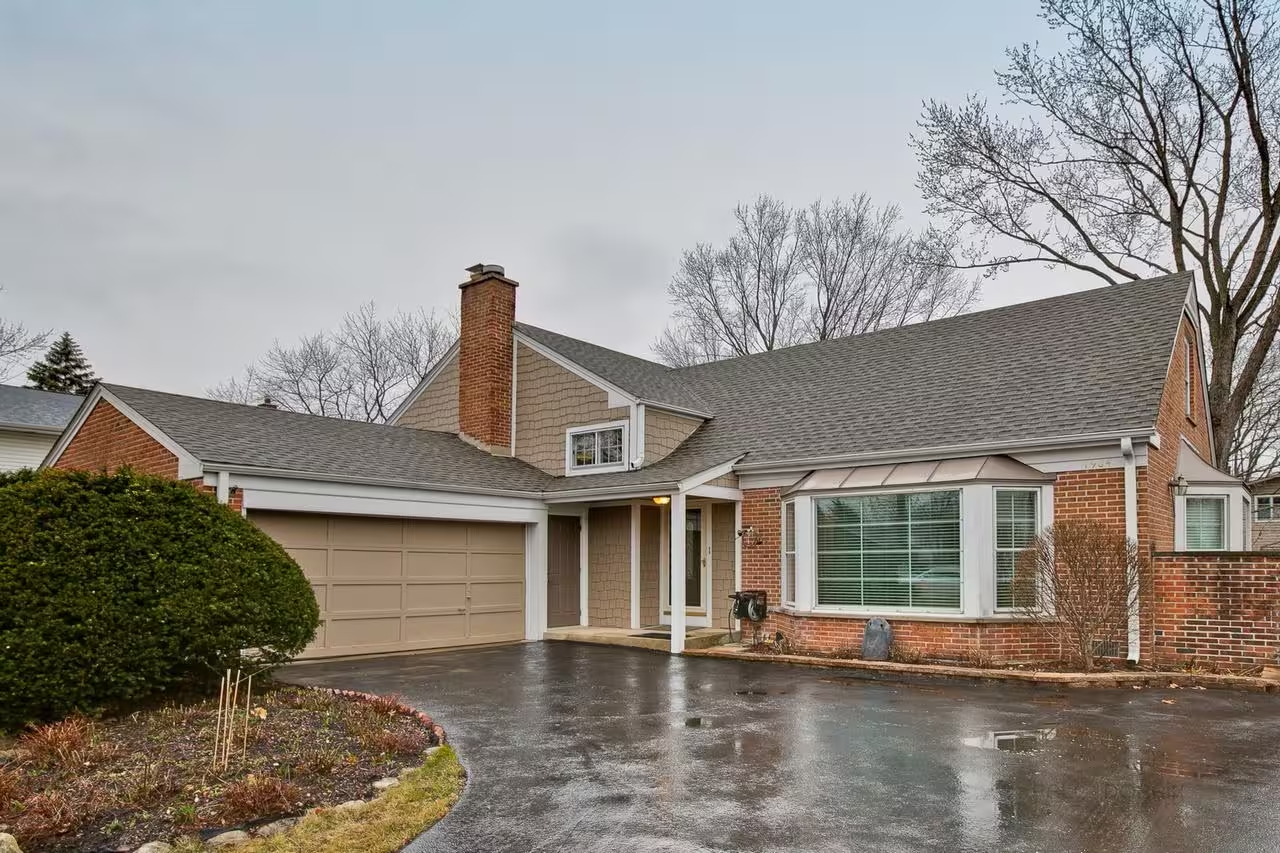
For asphalt shingles, roughly every 20 to 30 years. For metal, much less often. But the roof’s condition decides this, not the calendar. A 25-year-old roof with a dry attic may have years left. A 12-year-old roof that took a hailstorm might not.
How Often Should You Replace a Roof?
Plenty of problems are still repair jobs. A cracked rubber boot on a vent pipe. Chimney flashing that pulled loose. A few shingles gone after one windstorm. Most common roofing problems in Toledo fall into that fixable group.
10 Signs Your Roof May Need Replacement
One sign by itself rarely means you need a new roof. Several at once on an older roof usually does.
| Sign | What it usually means | How urgent |
|---|---|---|
| 1. Widespread curling or cracking shingles | Shingles near end of life, or attic heat | Book an inspection |
| 2. Heavy granule loss | Asphalt wearing out. Round bare spots after a storm may be hail. | Inspect. Photograph it before calling insurance. |
| 3. Leaks in more than one area | Damage has spread past one spot | Call now if water is coming in |
| 4. Damaged flashing | Most common leak point. Often repairable. | Inspect soon |
| 5. Sagging roof sections | Rotted decking or structural damage | Call now |
| 6. Water damage in the attic | A leak, or condensation from poor venting | Find the cause first |
| 7. Widespread storm damage | Creased or missing shingles on several slopes | Inspect within days |
| 8. Repairs that don’t hold | Wear or decking problems underneath | Compare repair and replacement costs |
| 9. Worn seals around vents and pipes | Boots and seals break down with age | Usually a repair |
| 10. Old roof with visible wear | Late in its range and showing it | Plan replacement before it fails |
Don’t climb up to look. Use binoculars from the yard. On a sunny day, go into the attic and check for daylight through the boards, dark stains, or damp insulation. After hail or high wind, storm damage roof repair is often enough if the shingles are caught early.
Should You Repair Your Roof or Replace It?
| Factor | Repair makes sense | Replacement makes sense |
|---|---|---|
| Damage | One area or one storm | Spread across several slopes |
| Roof age | Well inside its range | Late in its range with wear |
| Repair history | First or second fix | Same roof patched over and over |
| Decking | Solid | Soft, rotted, or sagging |
| Cost | Lower now, adds up if repairs keep coming | Asphalt usually runs $12,000 to $18,000 in Toledo. Metal runs $25,000 to $35,000. |
| Next step | Fix the source and watch it | Get a written replacement estimate |
Not sure which side you’re on? A free roof inspection from our crew covers 19 points, every problem gets photographed, and you get a written estimate. If a repair will do the job, that’s what we’ll recommend.
How Long Does It Take to Replace a Roof?
Lifespan is measured in years. The replacement takes days. Most asphalt shingle jobs we do take one to two days, and metal usually takes two to three.
Roof size, pitch, and the number of old layers coming off all add time. So does rotted decking found during tear-off, and so does weather. The permit has to be in place before work starts. Not every roof is a one-day job, no matter what a door knocker tells you.
How Can You Find Out When Your Roof Was Replaced?
Start with the paperwork. Closing documents, the seller’s disclosure, old invoices, and any shingle warranty registration usually give you a year. Toledo reroofs need a permit from the Division of Building Inspection, so the permit record is another place to look. The previous owners or a neighbor who used the same roofer can fill in the gaps.
An inspection can tell you what condition the roof is in. It can’t give you an exact install date. Shingle style, wear, and the number of layers are clues, not proof.
How Soon Should You Fix a Roof Leak?
Right away, whatever the roof’s age. EPA guidance says to dry water-damaged materials within 24 to 48 hours to prevent mold. Most homeowners policies also expect you to take reasonable steps to stop more damage. Keep receipts for anything you spend on temporary fixes.
Stay off the roof in a storm or when it’s icy. Inside, put a bucket under the drip, move what you can, and take photos. For water coming in now, call for emergency roof repair.
Frequently Asked Questions
How long does a roof last on an average house?
Most Toledo homes have asphalt shingles. Three-tab lasts about 20 years and architectural about 30. Installation, ventilation, and storm history move that up or down.
How long do architectural shingles last?
About 30 years. Good attic ventilation and a clean install help a roof get there. Hail and trapped attic heat cut it short.
How long does a metal roof last?
Usually 40 to 80 years. Standing seam with hidden fasteners sits toward the long end. Exposed-fastener panels need more upkeep and wear out sooner.
How often should you replace your roof?
Asphalt shingles, about every 20 to 30 years. Metal, far less often. Go by condition, not just age.
How do you know when you need a new roof?
Look for several problems at once. Curling or bare shingles across big areas, leaks in more than one spot, sagging decking, and repairs that keep failing all point to replacement.
Can a roof last longer than its estimated lifespan?
Yes. Lifespan numbers are averages. A well vented roof that never takes a major storm can outlast its range.
Does homeowners insurance cover an old roof?
Not for age or wear. Insurance pays for sudden damage from things like wind or hail. If the roof was already worn before the storm, the claim may be cut or denied. If you’re filing, we can help document it through roof insurance claim assistance.
Can you replace a roof during winter in Toledo?
Yes, on most days. Shingle sealant needs warmth to bond, so in cold weather our crews hand seal the tabs. Snow, ice, or high wind can push back the start date.
How long does roof replacement take?
One to two days for most asphalt jobs, two to three for metal. Steep or large roofs and rotted decking add time.
Should you repair a leaking roof or replace it?
Find the source first. One bad flashing joint or a cracked pipe boot is a repair. Leaks in several places on a worn roof usually mean replacement.
Get a Roof Inspection in Toledo, Ohio
Roofing419 is a family-owned Toledo roofing company on Coining Dr. Our own crew does every inspection, our installers have 20+ years of experience, and we don’t sub out the work. You get photos of what we find and a written estimate that shows repair and replacement side by side.
If the roof needs to come off, our roof replacement in Toledo uses Owens Corning shingles or DECRA stone-coated steel. We’re a Roser Certified Installer and DECRA Partner in Quality, and our work carries a 25-year workmanship warranty. Roof financing starts as low as $99 a month, subject to credit approval. Call 419-509-0456.